Feeding and nutrition counseling is crucial for children with cleft lip and cleft palate, ensuring they receive the proper nutrients for healthy growth and development. These children often face unique challenges that can affect their ability to feed effectively, leading to potential nutritional deficiencies. Dr. Ghulam Qadir Fayyaz provides expert guidance and personalized plans to help parents and caregivers navigate these challenges, promoting optimal health and well-being for their children.
Feeding difficulties can arise from several issues, including difficulties with sucking, swallowing, and maintaining a proper seal during feeding. These challenges necessitate specialized feeding techniques and tools, which are integral components of the counseling provided. By addressing these issues early and comprehensively, Dr. Fayyaz aims to prevent long-term health problems and support normal growth trajectories.
The counseling process begins with a thorough assessment of the child’s feeding habits, nutritional status, and any existing challenges. Dr. Ghulam Qadir Fayyaz conducts a detailed evaluation to understand the specific needs of each child and family.
Based on the initial assessment, Dr. Ghulam Qadir Fayyaz develops a personalized counseling plan. This includes one-on-one sessions with parents and caregivers, where practical feeding techniques and strategies are discussed and demonstrated. The goal is to empower families with the knowledge and skills needed to manage feeding issues effectively.
Continuous monitoring and support are crucial for the success of feeding and nutrition counseling. Dr. Ghulam Qadir Fayyaz provides regular follow-up appointments to track progress, address any new challenges, and make necessary adjustments to the counseling plan. Families have access to ongoing support and resources throughout their journey.
Children with cleft lip and palate often face significant difficulties with feeding, which can impact their nutritional intake and overall health. This can include problems such as:
Parents and caregivers seeking professional advice on how to manage these feeding issues and ensure their child receives adequate nutrition can greatly benefit from this counseling. Dr. Fayyaz’s approach involves:
Comprehensive Assessments: Evaluating the child’s specific feeding difficulties to tailor the counseling and intervention plan.
Customized Feeding Plans: Developing strategies and techniques that suit the child’s needs, including the use of specialized bottles and nipples.
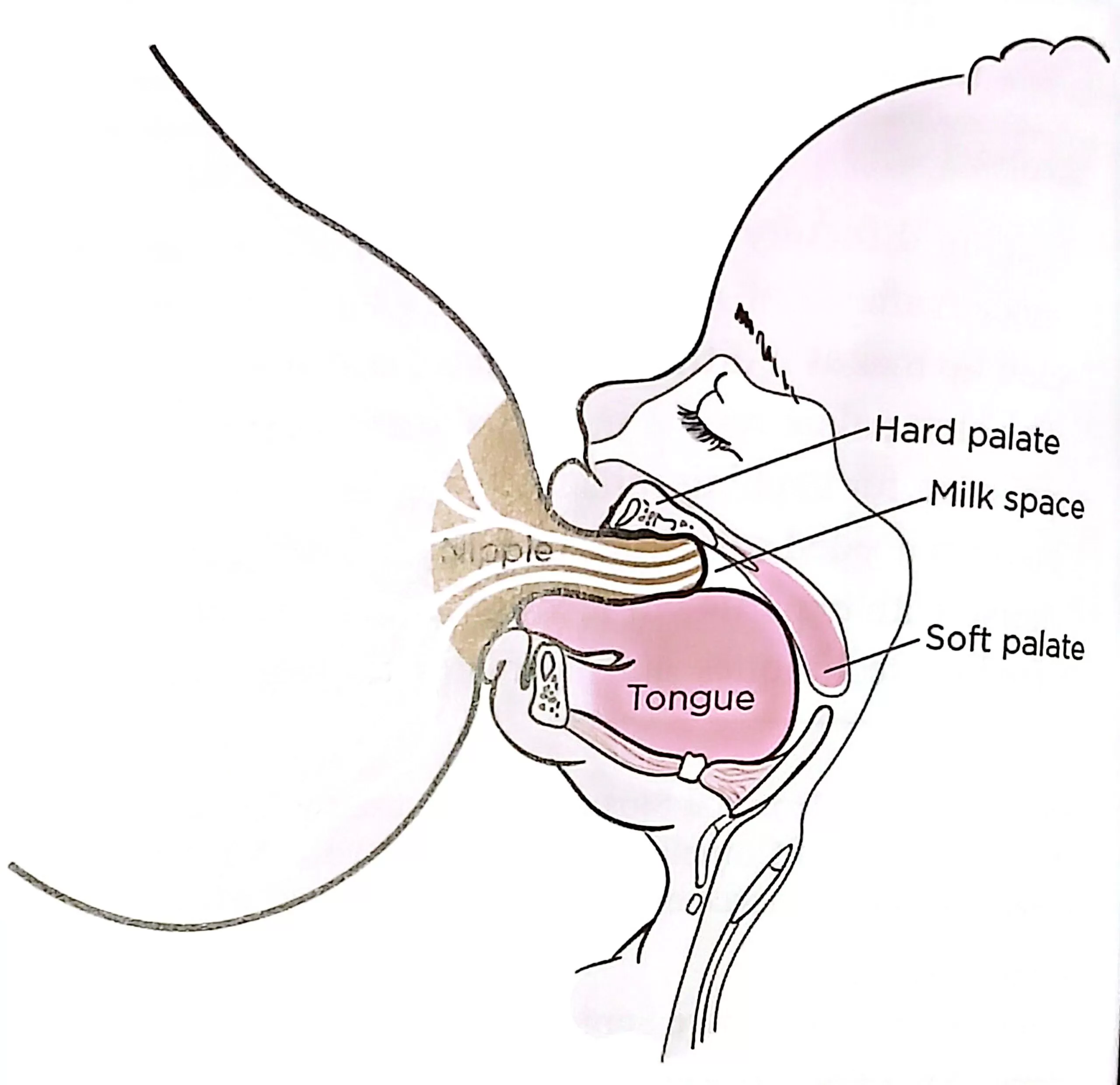
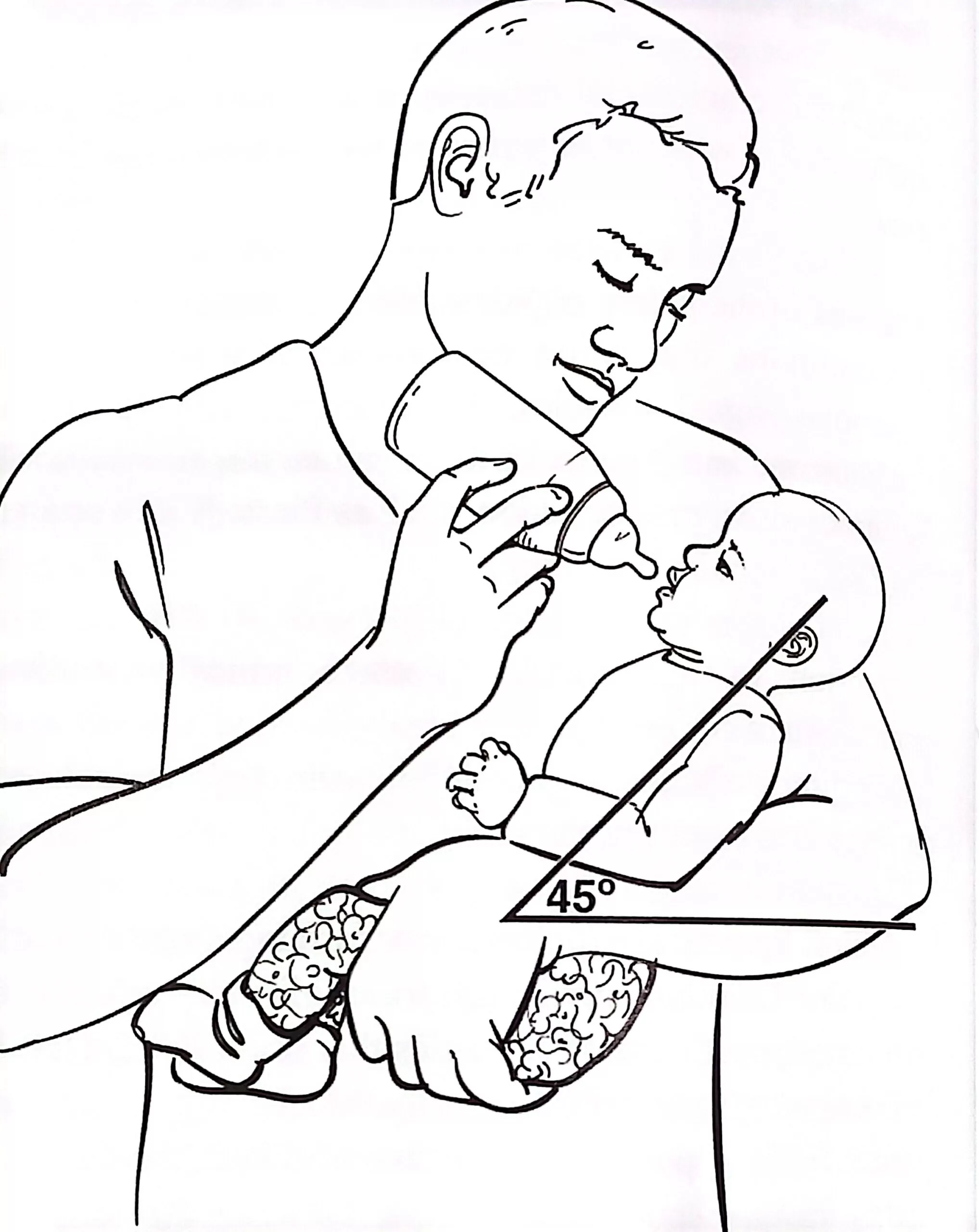
Counseling provides parents and caregivers with practical tools and methods to enhance feeding efficiency. This includes training on the use of specialized feeding equipment and techniques tailored to the child’s specific needs.
By addressing feeding difficulties, counseling ensures that children receive the necessary nutrients for healthy growth and development. This is critical for their physical and cognitive development, especially during the early years.
Reduced Feeding-Related Stress for Parents and Caregivers: Feeding a child with a cleft condition can be stressful and challenging. Professional counseling offers support, reduces anxiety, and equips caregivers with the confidence and skills needed to manage feeding issues effectively.
Continuous support is provided to adapt feeding strategies as the child grows and their needs change. This ongoing guidance ensures that the child’s nutritional needs are met at every stage of their development. Feeding and nutrition counseling is an essential service for children with cleft lip and palate, addressing their unique challenges and promoting their overall health and well-being. Dr. Ghulam Qadir Fayyaz’s expert care and personalized approach ensure that each child receives the targeted support they need to thrive. Through improved feeding techniques, enhanced nutritional intake, and reduced stress for parents and caregivers, Dr. Fayyaz’s comprehensive services make a significant positive impact on the lives of these children and their families.
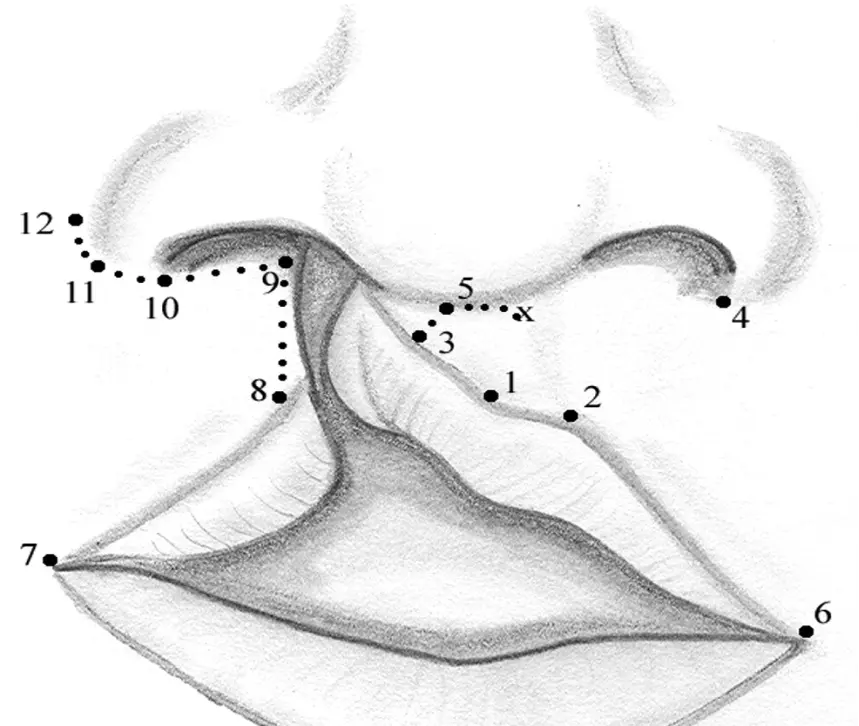
Dr. Ghulam Qadir Fayyaz is globally recognized for his expertise in cleft-related surgeries and treatments, including feeding and nutrition counseling. His extensive experience and compassionate approach ensure that families receive the best possible care and support.
Each family receives a customized counseling plan tailored to their child's specific needs. Dr. Ghulam Qadir Fayyaz works closely with parents and caregivers to develop effective feeding strategies and address any nutritional concerns, ensuring a holistic approach to care.
Dr. Ghulam Qadir Fayyaz provides comprehensive support, including educational materials, practical tips, and ongoing guidance. His commitment to patient care ensures that families have access to the resources they need to successfully manage feeding and nutrition challenges.
Cleft lip repair is usually recommended between 3 to 6 months of age, while cleft palate surgery is generally done between 9 to 18 months. However, treatment plans are personalized based on the patient’s health and specific condition.
Yes, cleft repair surgeries are not limited to infants or children. Adults can also undergo corrective surgery for cleft lip or palate, especially if they were untreated in childhood or have developed complications post-surgery.
Recovery depends on the type of procedure, but typically initial healing takes 1 to 2 weeks. Full recovery may take longer and may include speech therapy, dental follow-ups, or further surgical corrections.
Integrated cleft care means providing surgery, speech therapy, dental care, psychological support, and long-term follow-up—all in one coordinated approach. This ensures better outcomes and a smoother journey for both patients and families.
Surgeries are performed under general anesthesia, so children don’t feel pain during the procedure. Post-operative discomfort is managed effectively through medications and professional care.